Waterproofing is the part of a bathroom nobody sees and nobody thinks about until it fails. When it does, the damage isn’t cosmetic — water tracks into timber framing, wall cavities and the ceiling below, and by the time a stain appears the repair has stopped being a bathroom job and become a structural one.
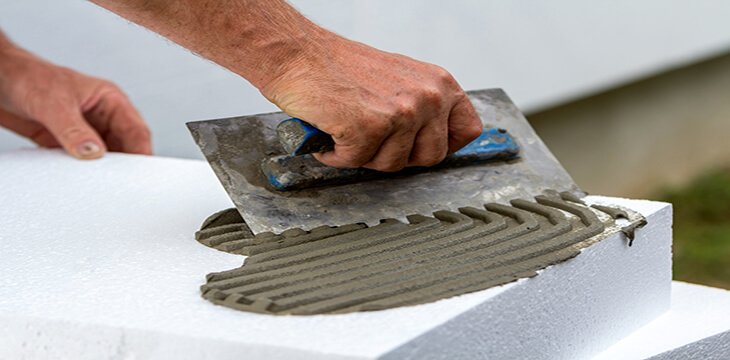
We apply dual-coat elastomeric membrane in accordance with Australian Standard AS 3740, sealing floors, wall junctions, penetrations, hobs and shower returns, and we allow the full manufacturer cure time before anything is laid over the top.
Why Compliance Matters Beyond the Tile
AS 3740 isn’t paperwork. It specifies where membrane must be applied, how junctions and penetrations are treated, and which materials are acceptable — and non-compliant waterproofing is the single most common cause of expensive bathroom failure in Australian homes.
It can also affect your position at claim time. If water damage traces back to a wet area that was never waterproofed to standard, that’s a conversation you don’t want to be having with an insurer. Every wet area we build complies, and we’re happy to walk you through what was applied and where.
Leak Diagnostics on Existing Bathrooms
(add as a third body block if the layout allows)
If you have an existing leak, the first job is finding out where water is actually getting in — which is often not where the damage shows. We diagnose the source before quoting any repair, because replacing the wrong thing is expensive and doesn’t fix it.
- Dual-Coat Elastomeric Membrane
- Full AS 3740 Compliance
- Junctions & Penetrations Sealed
- Leak Diagnostics on Existing Wet Areas
If you’re renovating, waterproofing is included in our bathroom renovation scope as standard. If you’ve got a leak in an existing bathroom, call 0459 074 402 and we’ll assess it properly before recommending anything.
FAQs
What is AS 3740? It’s the Australian Standard governing waterproofing of domestic wet areas. It sets out where membranes must be applied, how junctions and penetrations are treated, and what materials are acceptable.
How do I know if my existing bathroom is leaking? Common signs are staining on the ceiling below, a musty smell that doesn’t clear, swelling or dark marks at the base of adjacent walls, loose or drummy tiles, and paint lifting on the other side of a shower wall. If you’re seeing any of these, get it assessed early — the cost rises fast with time.
Can waterproofing be repaired without removing the tiles? Occasionally, with surface-applied products, but it’s a short-term measure at best. If the membrane itself has failed, it sits under the tile and under the screed, and the only genuine fix is to open it up. We’ll be straight with you about which situation you’re in.